Elizabeth Gabrielle Lee’s work moves like memory—fluid, fragmented, constantly shifting. Based between London and Singapore, she navigates the spaces between history and personal recollection, exploring themes of displacement, nostalgia, and belonging. Her practice, deeply rooted in the politics of identity, ethnography, and linguistics, questions how we construct and inherit narratives. Through visual and textual interventions, she pushes against the rigidity of singular histories, offering instead a framework where recall and perception remain open, layered, and unfixed.
Beyond her own artistic practice, Lee is also the founder of XING, a research platform dedicated to the poetics and politics of Southeast and East Asian art discourse. XING operates like a shapeshifter, shifting across time and place, dismantling dominant perspectives while carving space for alternative modes of thinking. It is a domain of the in-between—of what is not yet but could be—a challenge to the structures that have long dictated how histories are told and remembered.
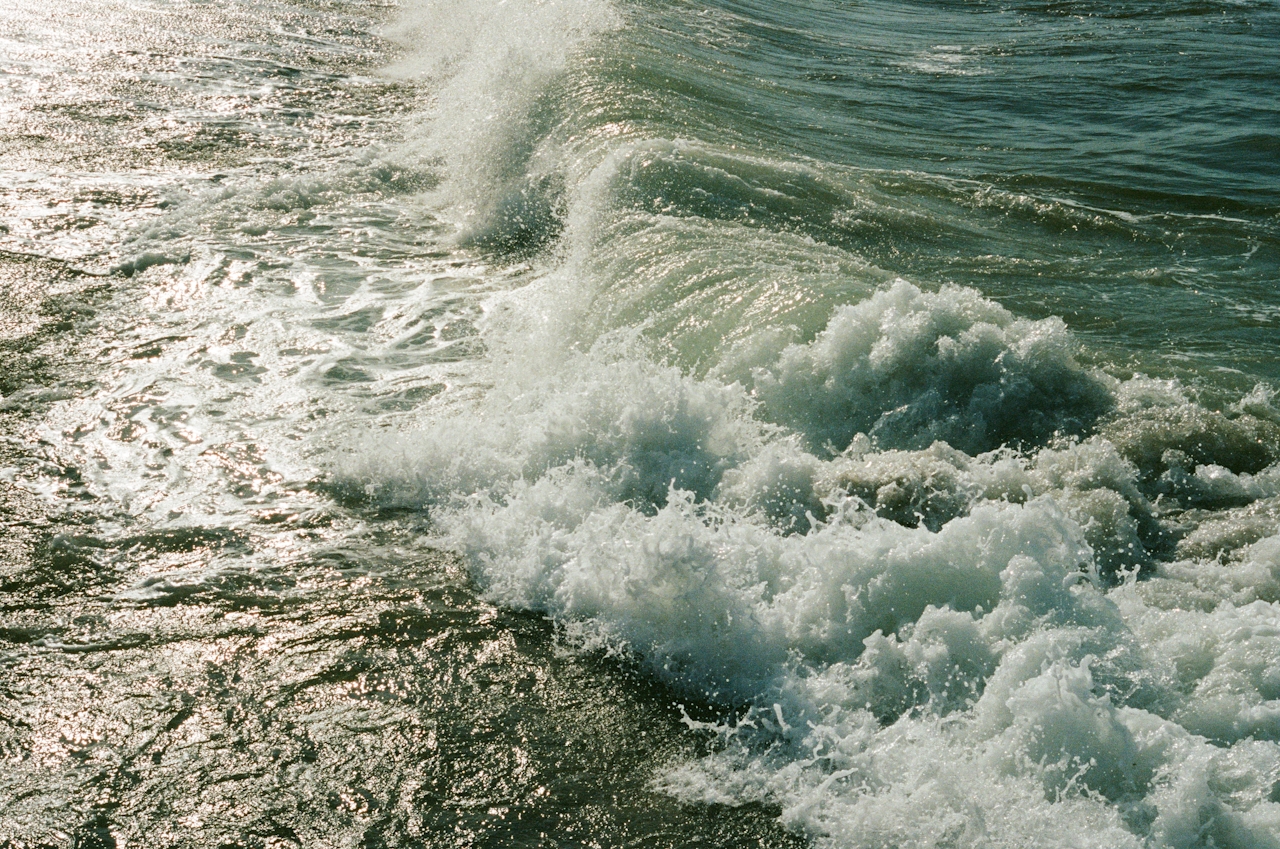


Anywhere near the ocean. The water has a way of resetting everything—thoughts slow down, breath evens out, and whatever felt heavy before feels a little lighter. The waves have their own rhythm, something ancient and steady, and I like being near that.
Home, which is Asia. It’s not just a place but a feeling—a sense of familiarity, warmth, and a deep connection that I can’t always put into words. The light, the smells, the way people move—it’s all imprinted in me. Being there brings a kind of clarity that I don’t find anywhere else.
The sauna. Heat pressing into skin, the quiet intensity of it. There’s something ritualistic about it, the way it forces you to be still, to surrender to the present moment. The contrast of fire and ice, the way the body adapts, the way everything feels sharper after—it’s a place that brings me back to myself.
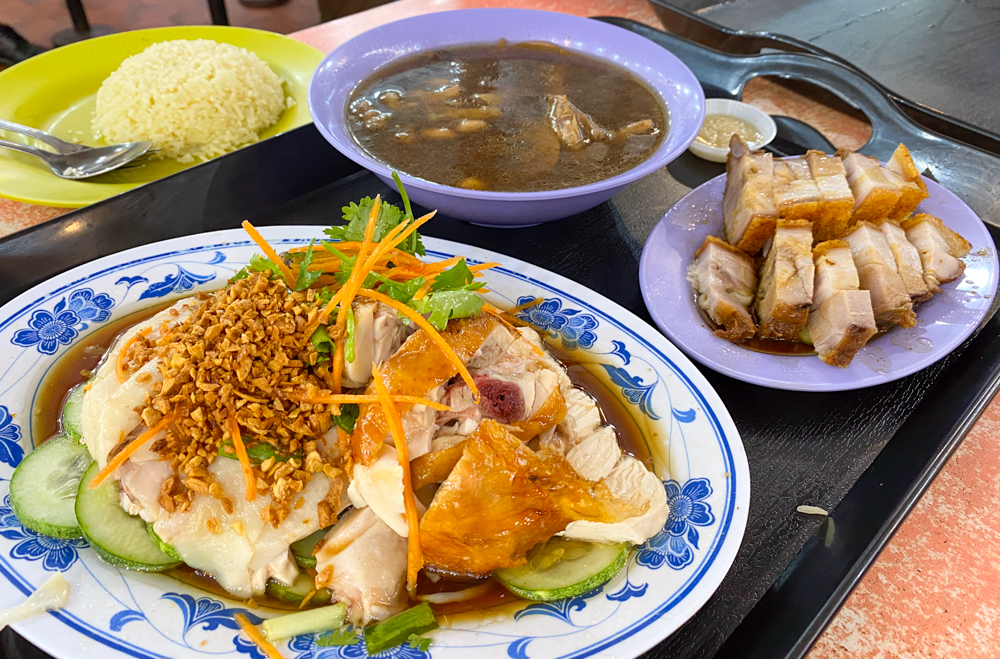

Katong Mei Wei, Singapore—I’ve been eating this dish for over two decades. The fragrance, the purple plates, the cramped ’90s food court interior—it’s all burned into my senses. Every Singaporean has their own go-to version of this dish, and for me, this one is undefeated. It’s familiar, nostalgic, and always exactly as I remember it.
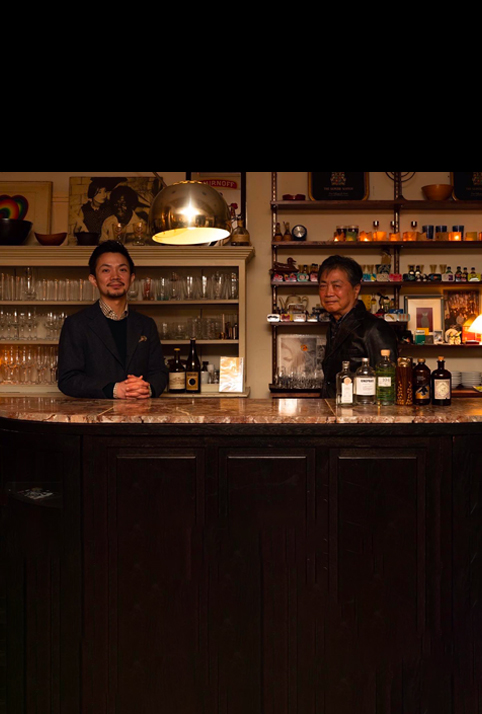
ハナミズキノヘヤ (Hanami Zuki no He Ya), Toyama, Japan—My partner and I stumbled across this place by accident while visiting the city, which is known for its glassy, white shrimp. It’s a sound bar, passed down from father to son, no menu, just a handpicked selection of natural wines and spirits you won’t find anywhere else. There’s this fleeting but familiar feeling to it—locals who call themselves ‘bar friends’ gather after 10pm and leave at sunrise, strangers outside of that space.
The Cycladic Islands, Greece—As a water baby and sun worshipper, this one explains itself.
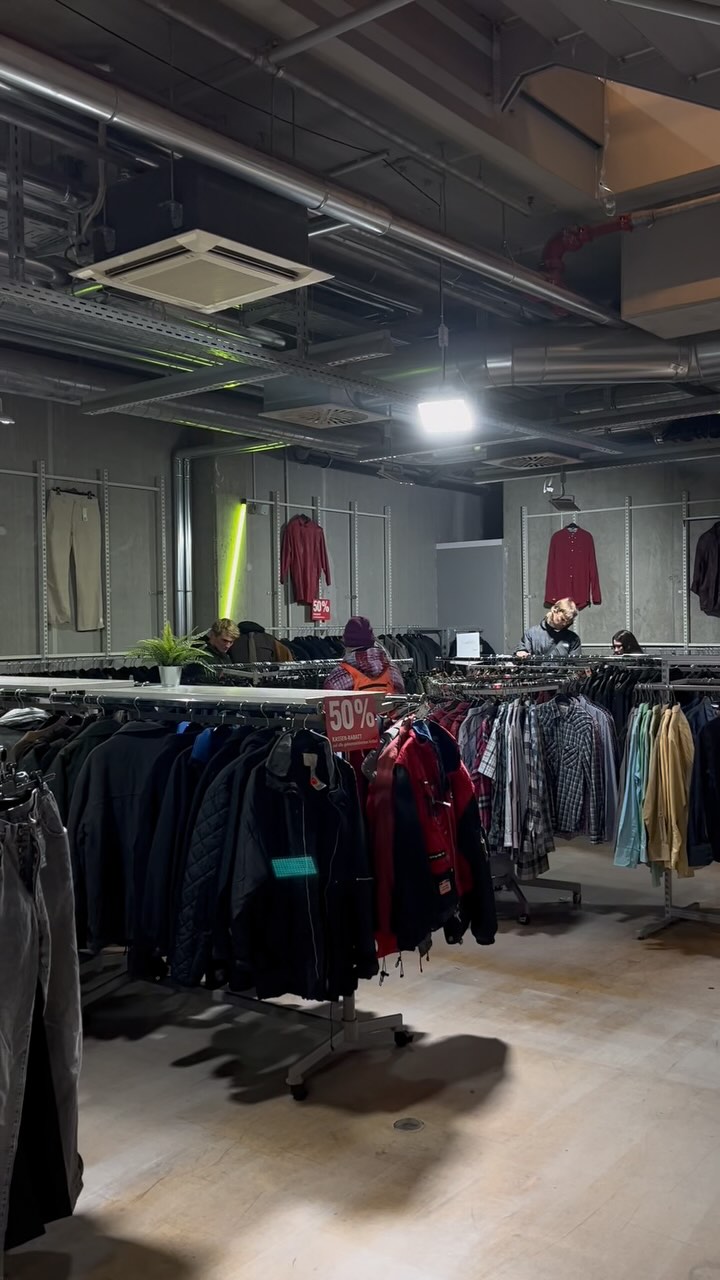
Humana (best in Eastern Europe)—This is what the secondhand clothing market should be: accessible, sustainable, and priced for the people. It’s not curated in a way that strips it of its character, and that’s what I love about it. You have to dig, but that’s part of it—the search, the unexpected finds, the feeling that something has a history before it reaches you.
Nho Girl, Amsterdam—This space feels personal, like everything inside it has been chosen with care. There’s a mix of fashion, art, and everyday objects that somehow all feel connected. It’s intimate, not overwhelming, which makes each visit feel intentional.
Rue Miche, Saigon—A place that carries stories. Vintage here isn’t just about aesthetics; it’s about time, memory, and craft. There’s a deep respect for the past in how things are selected, and you can feel it when you step inside. It’s a reminder that clothes hold history, even before they’re yours.
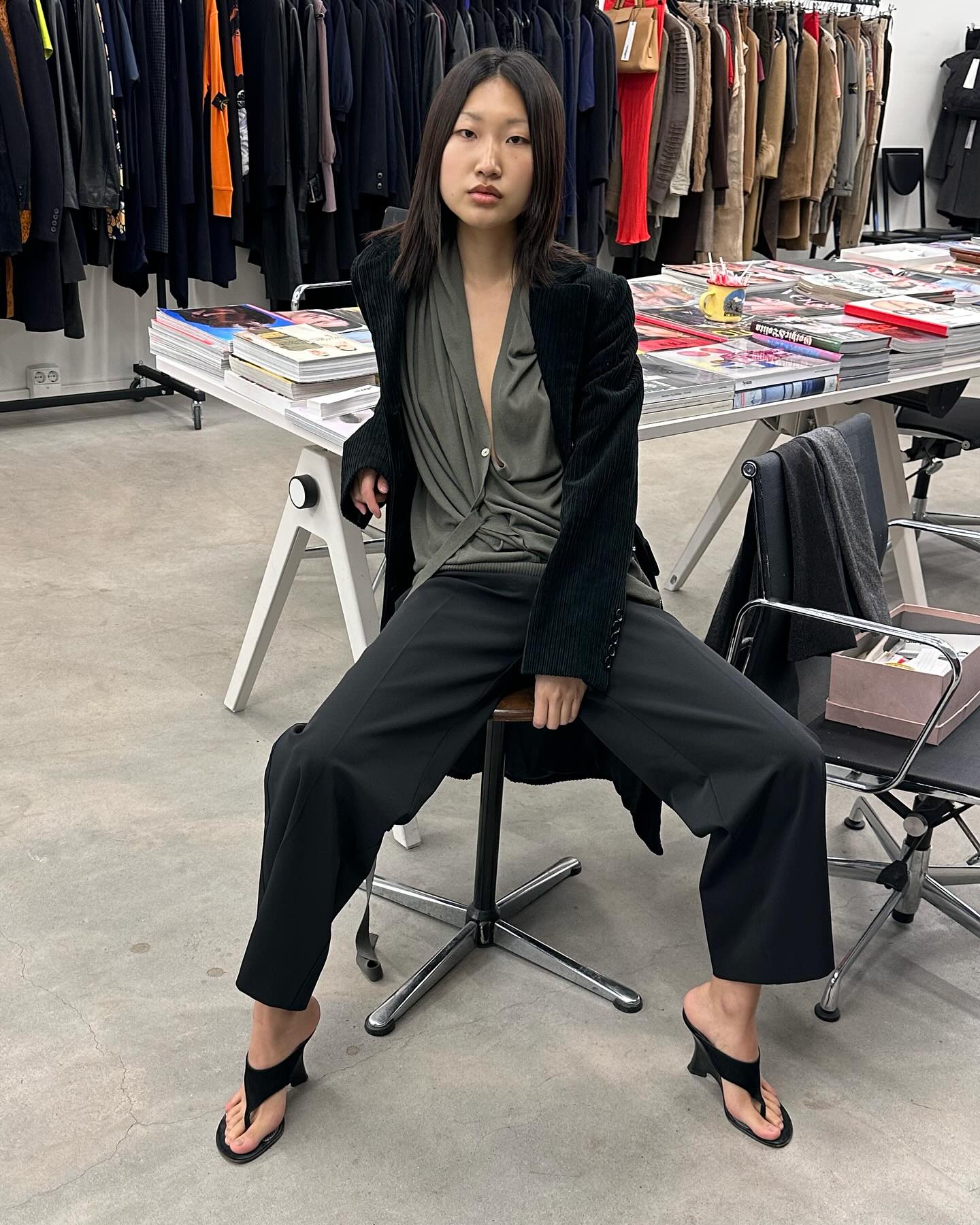
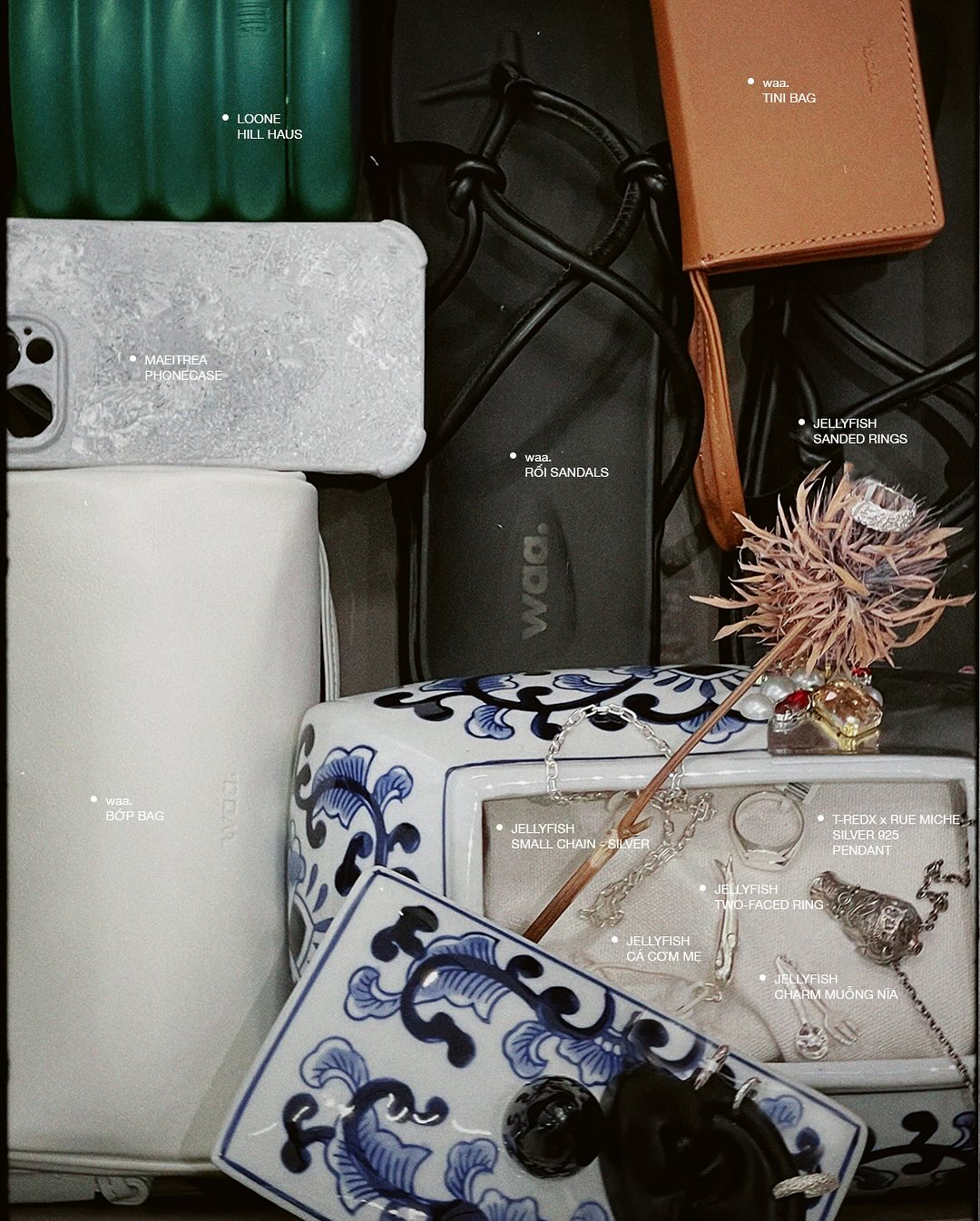
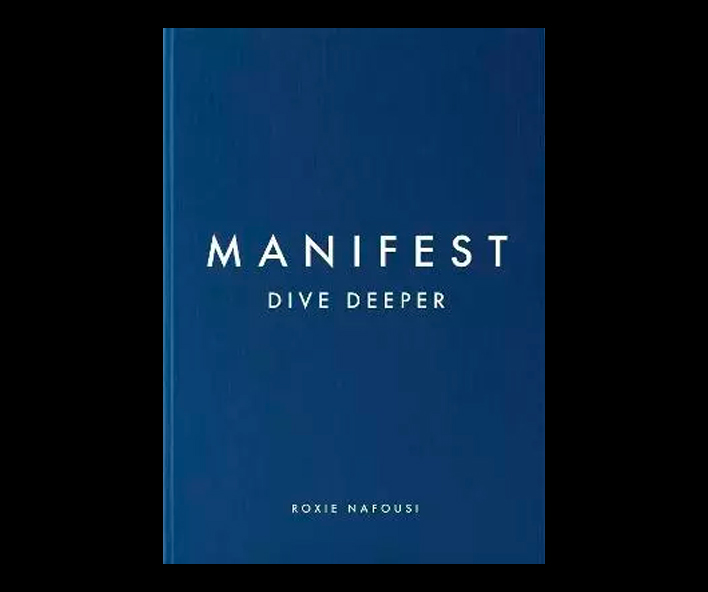
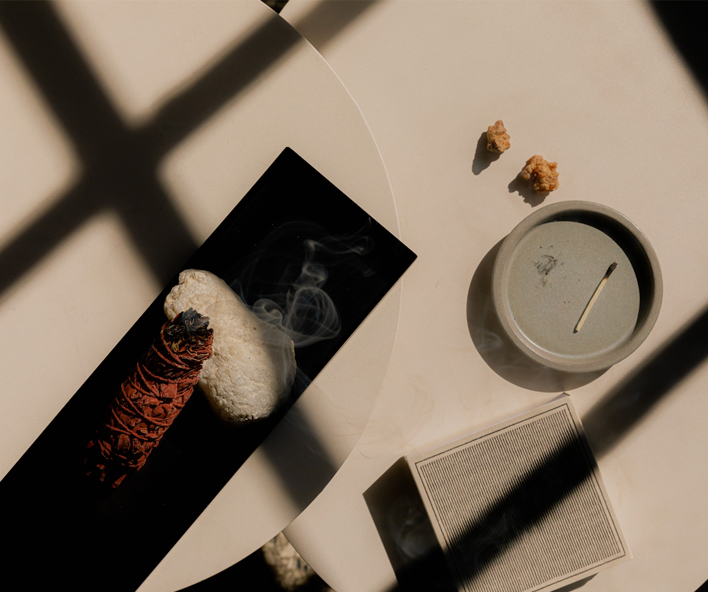
Meditation and visualisations—Sometimes it’s structured, other times it’s just closing my eyes and letting my mind drift. I think a lot about memory, about places I’ve been or want to go. It’s a way of stepping outside of the noise, even just for a few minutes, to find a bit of stillness.
Lighting incense—It’s such a small act, but it shifts the space instantly. The scent curling into the air, the way it lingers—it feels like a quiet ritual, a signal to slow down. I have certain scents I always return to, ones that remind me of people, places, or a version of myself I want to reconnect with.
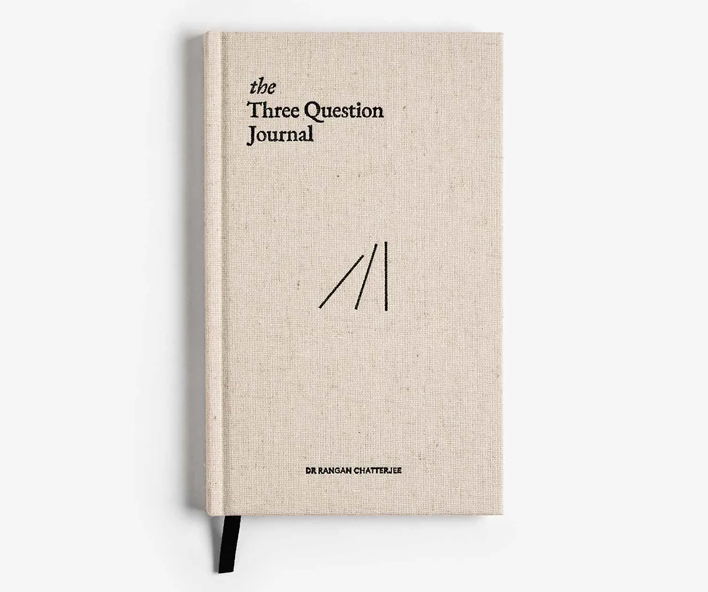
Journaling—Not every day, not always in full sentences. Sometimes just words, fragments, things I want to remember or let go of. It’s a way of making sense of things, or at least getting them out of my head and onto the page, where they feel a little less heavy.
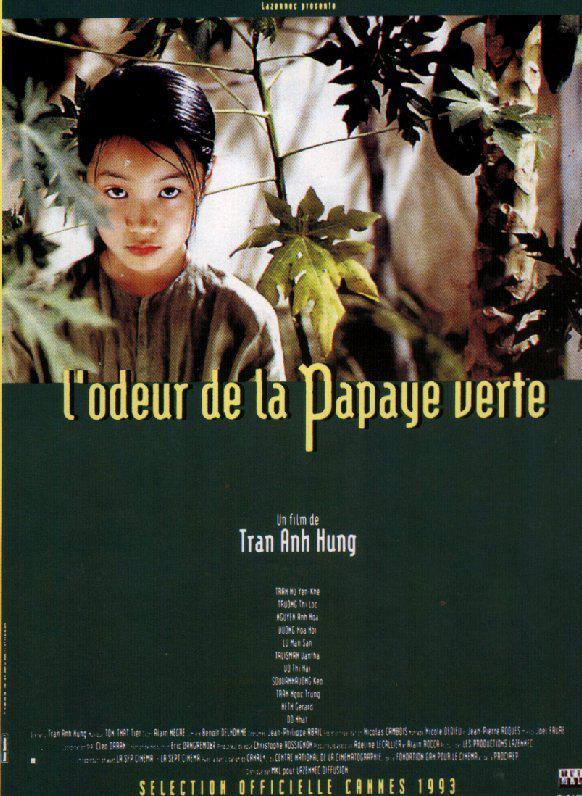

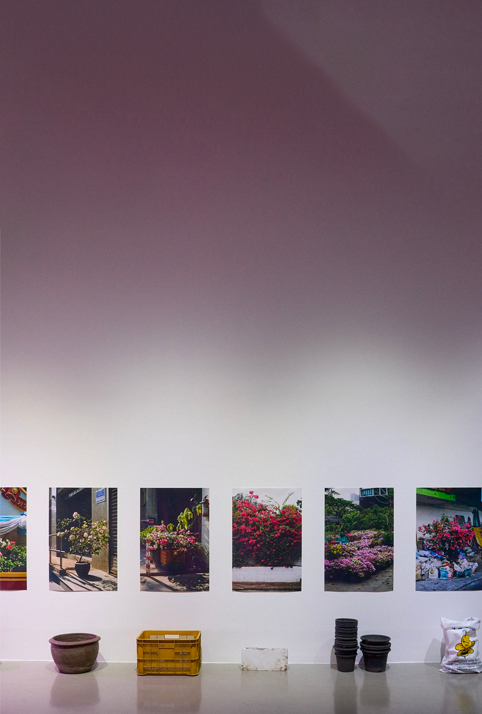
The Scent of Green Papaya by Trần Anh Hùng—This film moves so slowly, but that’s part of its beauty. It’s about small details—the way light shifts in a room, the sound of papaya seeds being scooped out. It lingers, like a memory, unfolding with this quiet patience that stays with you long after it ends.
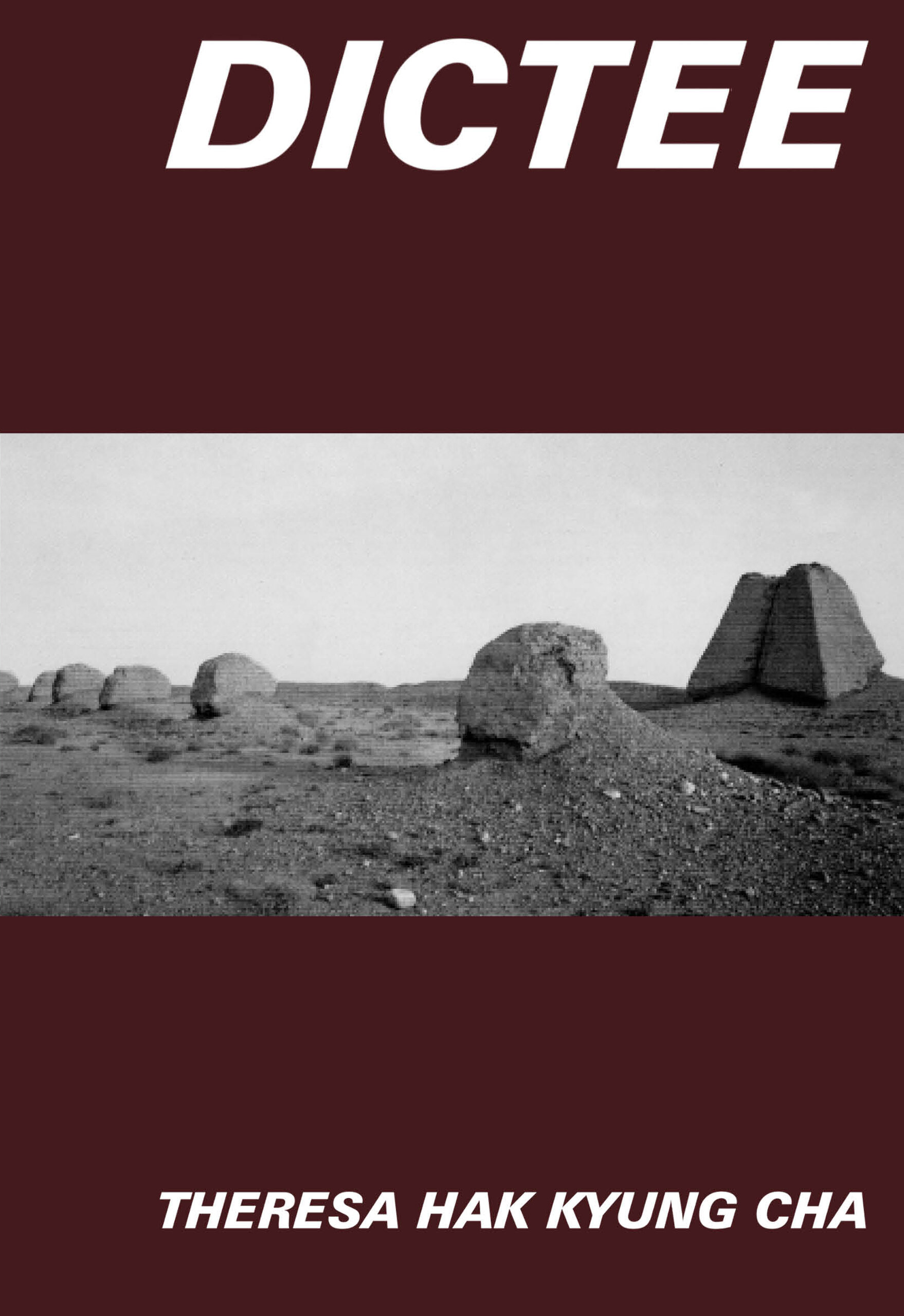
Dictee by Theresa Hak Kyung-Cha—It’s not a book you read in a linear way. It feels more like a collage of language, history, displacement. It shifts between poetry, prose, images—fragments that piece together something bigger. It’s the kind of book you return to over and over, always finding something new.
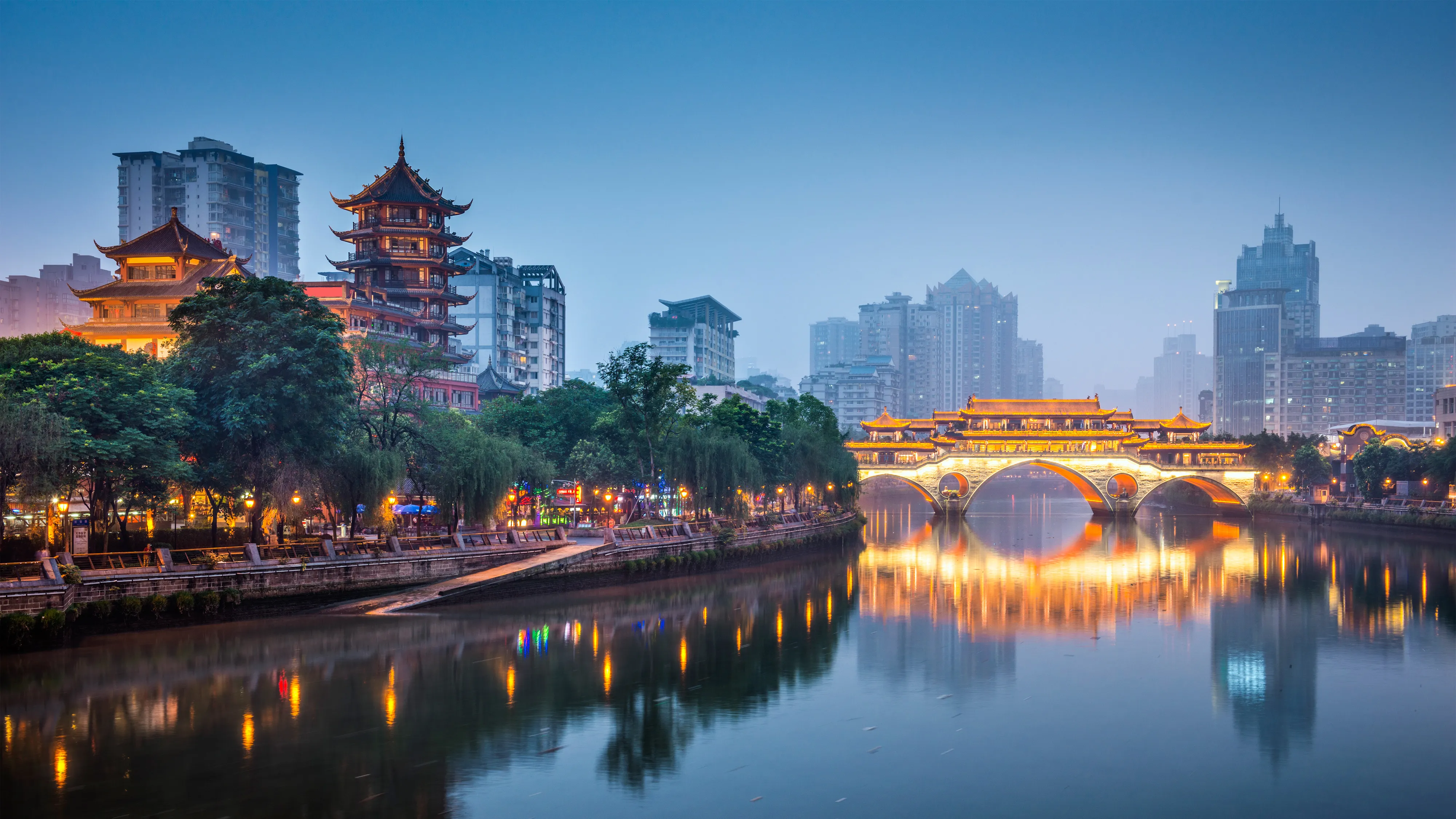
Chengdu, China—The first time I went, something about the pace of life there struck me. It’s a big city, but it doesn’t rush in the way you expect. People take time—drinking tea, playing mahjong, moving through the world with this unhurried ease. I think about that often.
nstitute of Contemporary Arts, London—It feels like a place that holds conversations, not just exhibitions. The work they show always makes me think in a different way, and the talks, screenings, even just sitting in the café—it all adds to this feeling of being surrounded by ideas in motion.
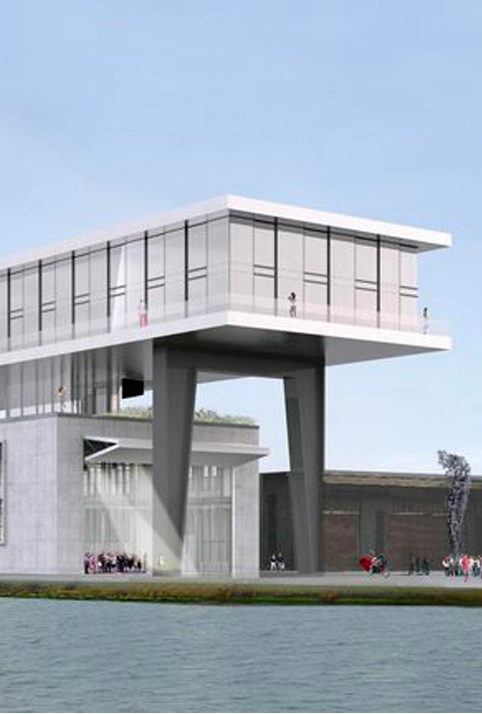
Het Hem, Amsterdam—It’s outside the city, which already makes it feel like a destination. The space itself is huge, industrial, but somehow soft in the way it holds art. It’s not just about looking at things but about experiencing them, about letting them settle in slowly.
Gallery VER, Bangkok—It’s small, but the work feels expansive. I like how it champions Thai and Southeast Asian artists, pushing conversations that might otherwise be overlooked. There’s a rawness to some of the exhibitions, an honesty in how they present ideas. It’s a space that feels like it’s always evolving, which makes it exciting to return to.
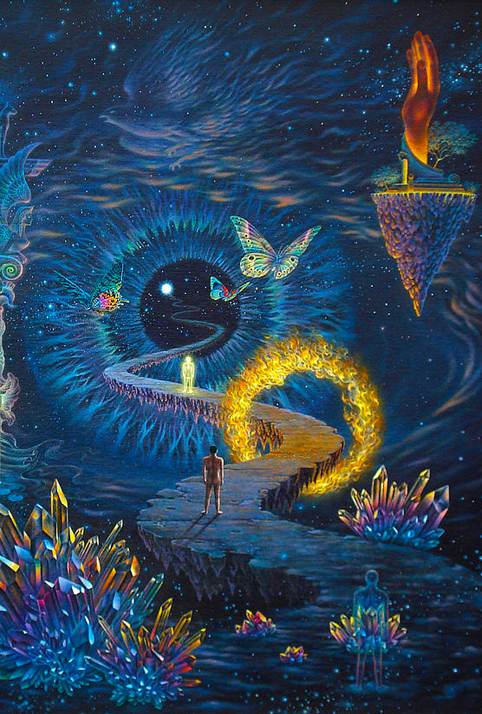
Tuco Amalfi—A visionairy Brazilian painter whose work feels like a world of its own. There’s something about the way he uses color, the way forms blend and shift, that feels both familiar and completely new. His paintings move in a way that makes you want to keep looking, like they’re still unfolding even after you’ve stepped away.
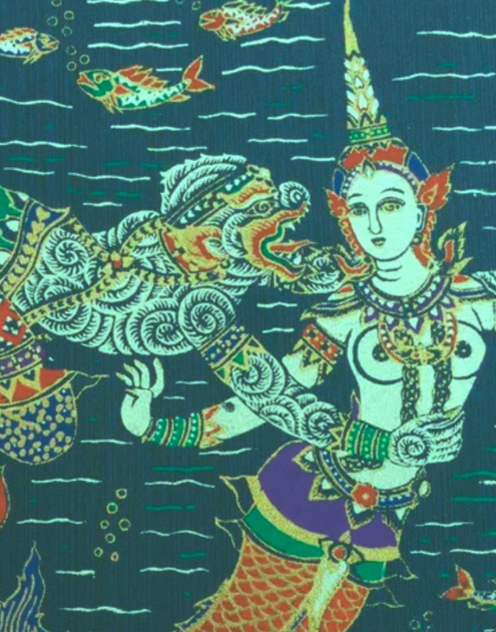
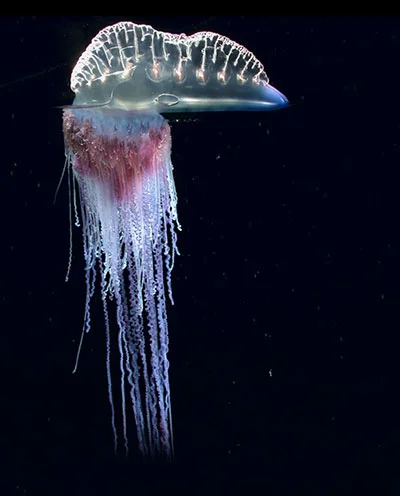
The siphonophore—Not a person, but a creature that exists somewhere between the surreal and the scientific. It looks like one being, but it’s actually many, a colony of organisms functioning together as a single entity. There’s something so strange and beautiful about that—how it challenges the idea of what an individual even is.
I like things that reframe the way we see the world. Whether it’s through art or nature, there’s always something to learn from the way things evolve, from the way they exist outside of what we think we understand.

Saryglarlar – Huun-Huur-Tu—It feels ancient, like it belongs to the earth itself. The throat singing, the deep, resonant tones—it’s more than just sound, it’s something physical. Like listening to a landscape, to history being carried through voice.
Bangalore Whispers – Andi Otto, M.D. Pallavi—This one is all texture. The way it moves, layers building and unraveling, feels like drifting through a city at night. There’s something hypnotic about it, like it pulls you into its own rhythm.
Moments in Love – Kara-Lis Coverdale—A cover, but completely transformed. It’s stretched out, weightless, dissolving into itself. It makes time feel different, like you could just float inside it for a while.
I think I’m drawn to songs that feel like places—ones that shift your sense of time and space, that make you stop whatever you’re doing and just listen.
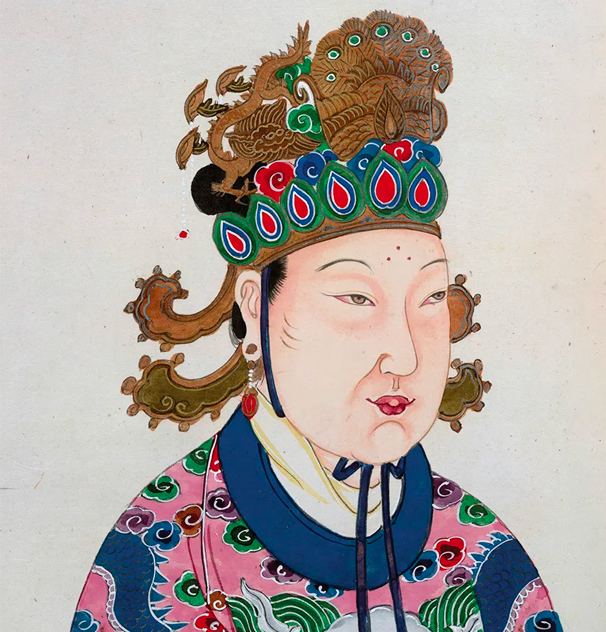
Wu Zetian is often remembered as a ruthless ruler, her legacy shaped by stories of ambition and cruelty. But history is rarely that simple. Some see her as an early feminist—she challenged tradition, made mourning days for mothers equal to fathers, commissioned scholars to document women’s histories, and placed women in positions of power within her court. She exists in contradiction, painted as a dragon lady, a femme fatale, a proto-feminist. But I wonder, beyond all the mythmaking, what she actually thought of herself. What were her intentions, her private fears? Did she see herself as radical, or was she simply doing what she felt was necessary? I’d want to hear her speak about her leadership in her own words, outside of the narratives history has written for her. To understand the weight of power from her perspective, and what it meant to be a woman ruling in a world that never expected her to.
.jpg)
.jpg)
I’m a wonton specialist—and I dream fantastical and absurd dreams almost on a daily basis.