Azura Lovisa’s work is an exercise in storytelling—one stitched into fabric, culture, and identity. Rooted in slow fashion and an exploration of hybridity, her label draws from the aesthetic traditions of Southeast Asia while embracing the restraint of Scandinavian design. The result? A contemporary mythology, one that people can step into, wear, and inhabit. Born to Malaysian-Swedish heritage and shaped by her upbringing in Miami, Azura designs with the global citizen in mind. Her pieces form a modular wardrobe—fluid, seasonless, untethered to rigid binaries. Every garment is crafted with intention, using handwoven natural fabrics where the maker’s touch remains visible. Sustainability isn’t just a value but a practice: wild Tussar silk, where silkworms are allowed to emerge before their cocoons are harvested; handwoven bamboo, dyed with minimal impact; black organic cotton cultivated through regenerative farming. Each thread is a commitment—not just to craftsmanship, but to honouring the landscapes, traditions, and hands that shape them.

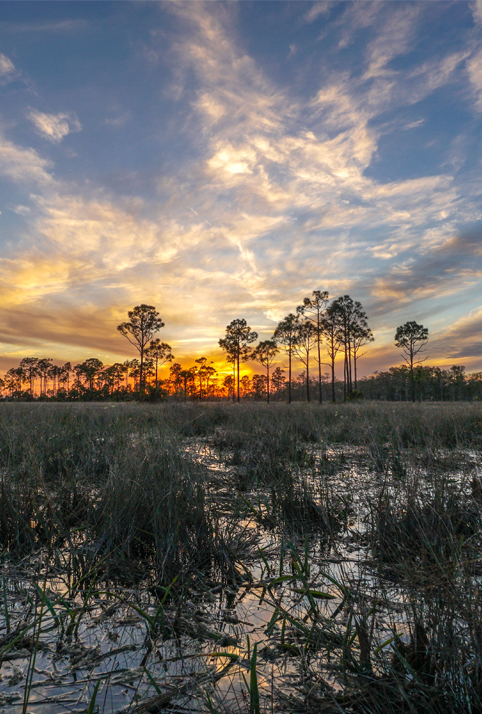

I’ve realized the places that matter most to me are all tied to nature. In London, I walk through Queen’s Wood and Highgate Wood—short walks from my house, I clear my head there, watch the seasons shift, and always find some small, unexpected discovery. Hampstead Heath is a longer walk, but pairing it with a stop at the weekend farmer’s market always makes me happy. The access to green space is one of the main reasons I live in London.
When I’m in Miami, the Everglades and Big Cypress National Preserve are my favorite places to be. There’s nothing like wading through the swamp, spotting orchids, air plants, wading birds; and meeting alligators. It’s wild and untamed beauty.
And then there’s Vindelfjällen Nature Reserve in Northern Sweden. I love hiking there under the summers midnight sun, knowing my dad once spent winters skiing and working in the same landscape when he was younger. It carries real history, memory, and a deep emotional connection to the land.
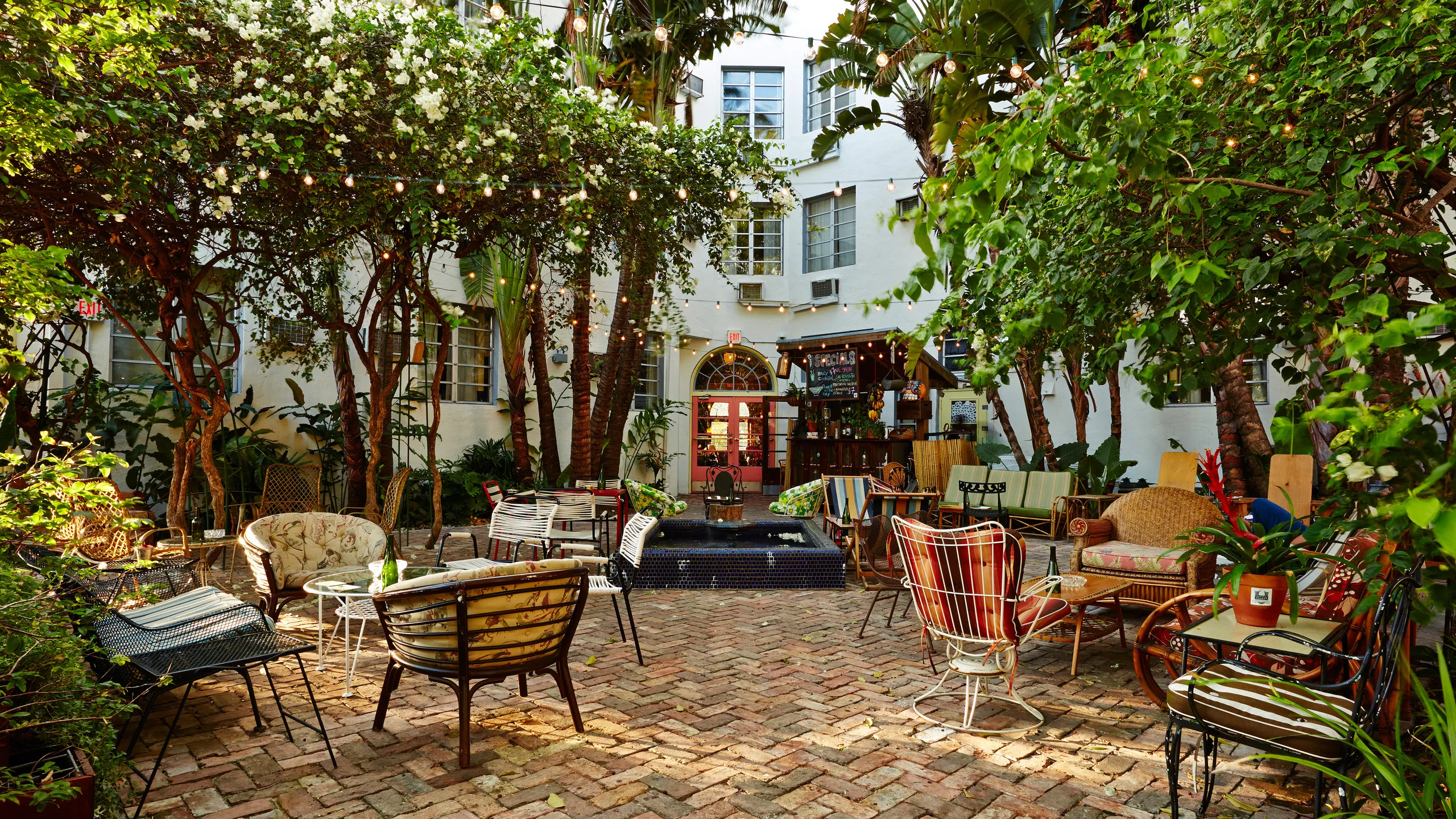

I spent many of my best nights sipping cocktails in the tropical garden of the Broken Shaker in Miami Beach. But the Milk Punch at the Edition is my favorite cocktail in the world. My favorite place to party is wherever Touching Bass is hosting their dances.
Touching Bass is a musical movement, club night, and record label based in South London, with an emphasis on soulful music and community. I feel so at home and uninhibited dancing with them.
I love to eat everything, so narrowing down is tough. Zam Zam in Singapore for Murtabak (folded, fried roti stuffed with minced meat and egg). Naomi’s Garden in Miami for Haitian food in a garden or from the takeaway counter. I had one of the most blissful meals of my life at Sylarna Fjällstation in Sweden, after hiking the Jämtland Triangle—reindeer stew with lingonberries, fresh bread, beer, and reindeer grazing in the sunset. Magic.
Chatuchak Market, Bangkok. One of the biggest street markets in the world, a maze where you can find anything and everything, but you probably won’t find what you’re looking for without getting lost—that’s the magic of it. You get lost, you stumble across the unexpected, and suddenly, you’re holding a treasure you didn’t even know you needed. The food is incredible, too.
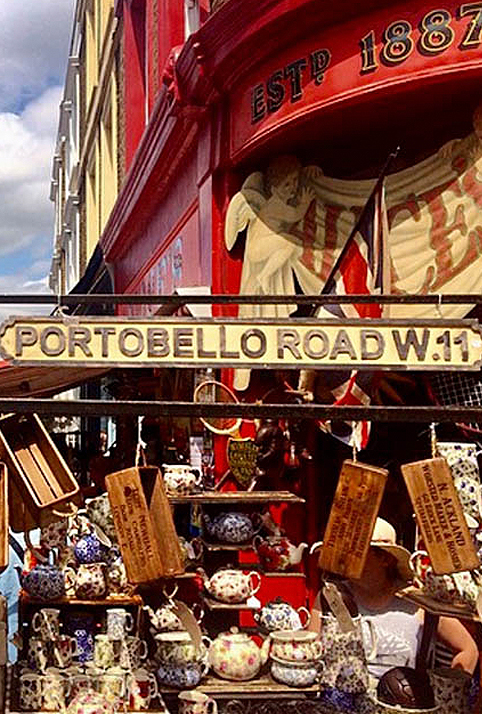
Portobello Road Market, London. Everyone in London knows it, but it never stops inspiring me. I rarely buy anything—I just go to wander, to sift through antiques and unique, beautiful objects. It’s like stepping into a storybook where every item has a past.
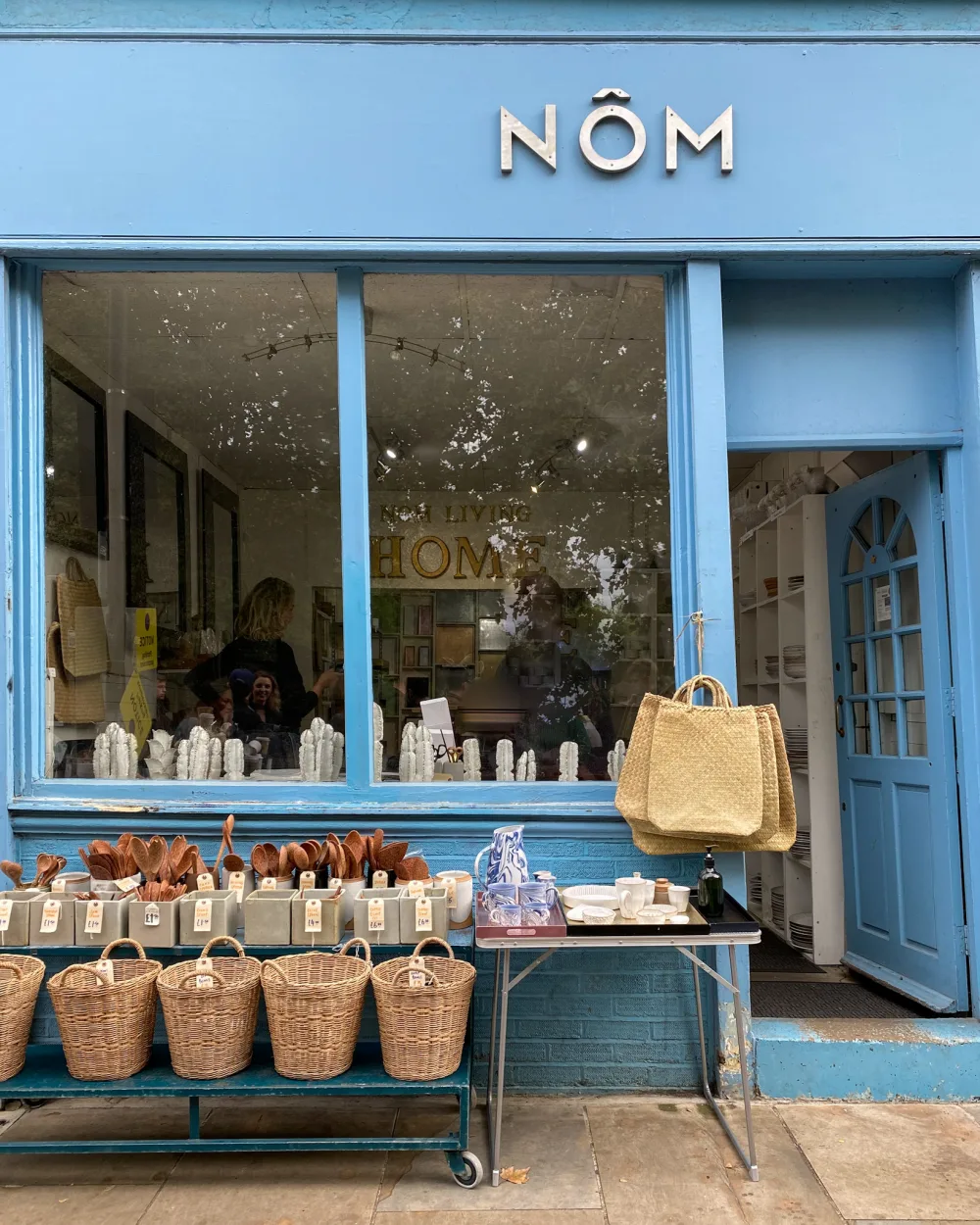
Nom Living, Columbia Road, London. Only open on Sundays, which makes it feel even more special. I always combine it with a trip to Columbia Road Flower Market. Their ceramics are simple, but the swirly glazes? They make me so happy. Everything feels like it was made with care.

_Madeline_Spanier_Photos_ID5761.jpg)

Meditation, preferably facing the sun. There’s something about feeling that warmth on my face that shifts everything. It’s such a small thing, but it makes me feel very happy.
Reading, especially at night. When I remember to turn off artificial lights, light candles, and read in bed. When I keep up this little ritual I feel so much better. It reminds me of when I was little—how books used to open up my mind, how excited I was to learn— I want to be that excited to learn and grow again. I want to feel that again. And honestly, it’s just nice not to be on my phone right before sleeping.
Solo hikes. I make time for them whenever I travel, but even at home, I’ll take a train or drive out to the coast or countryside when I can. Being alone in nature, moving at my own pace, no distractions—it’s the closest thing to a reset button I know.


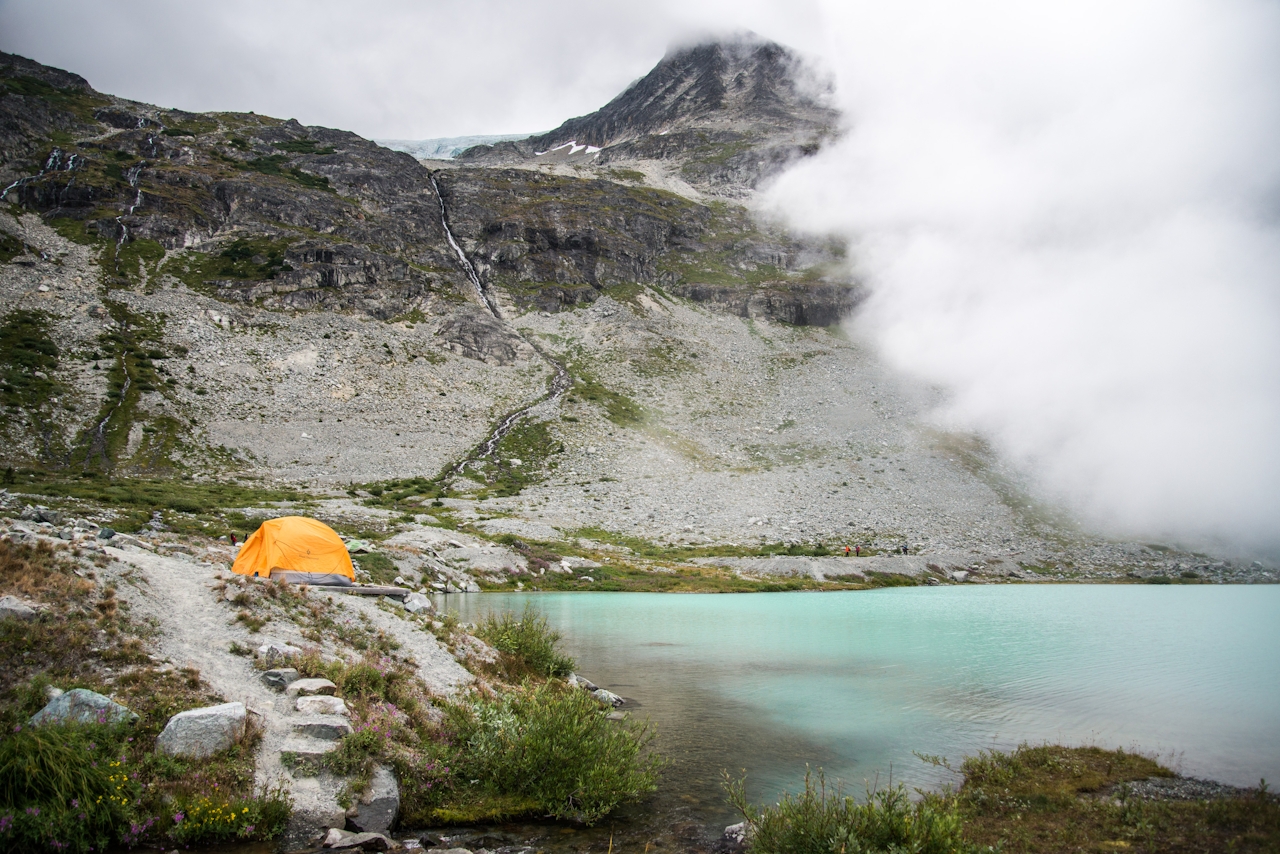
I always recommend visiting Isle of Skye. It was my first major solo trip and hike, and it reminded me what I love about life. You share the road with sheep, take in stunning views, and experience Scottish hospitality (and whiskey). That trip gave me the confidence to explore wilderness on my own, to seek freedom, and to stop waiting for others to have the adventures I wanted.
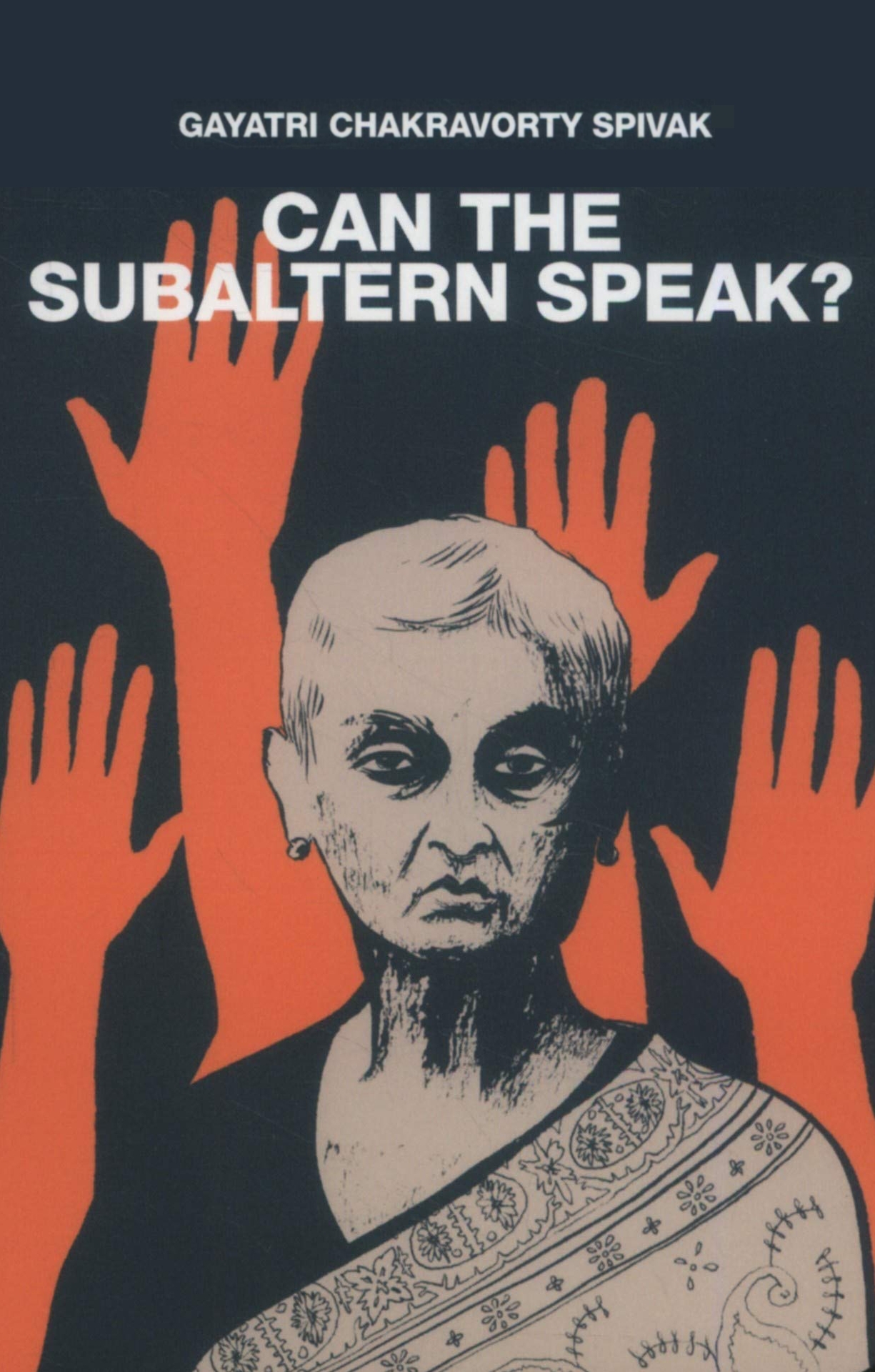
A book that significantly shaped my perspective on life, culture, history and post coloniality is Gayatri Chakravorty Spivak’s Can the Subaltern Speak? Also Edward Said’s Orientalism and Ernst Cassirer’s Language and Myth were major influences.
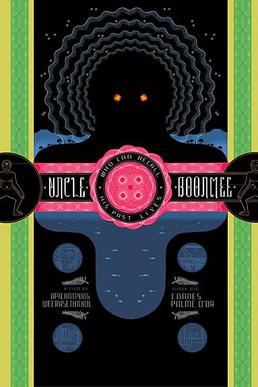
A film that left a lasting impression is Apichatpong Weerasethakul’s Uncle Boonmee Who Can Recall His Past Lives. The slow, hypnotic storytelling, the magical realism, the connection to nature—it resonated deeply. My early love for folk tales and mythology found clarity in its visual and emotional language; it helped steer me towards the subject matter I explore in my work, and inspired the visual and emotional language I wanted to engage.
Kew Gardens—because the best education doesn’t happen inside walls. It’s in the way trees stretch towards the sky, in the stillness of a greenhouse filled with impossible plants, in the reminder that nature has always been the greatest architect, the best teacher.
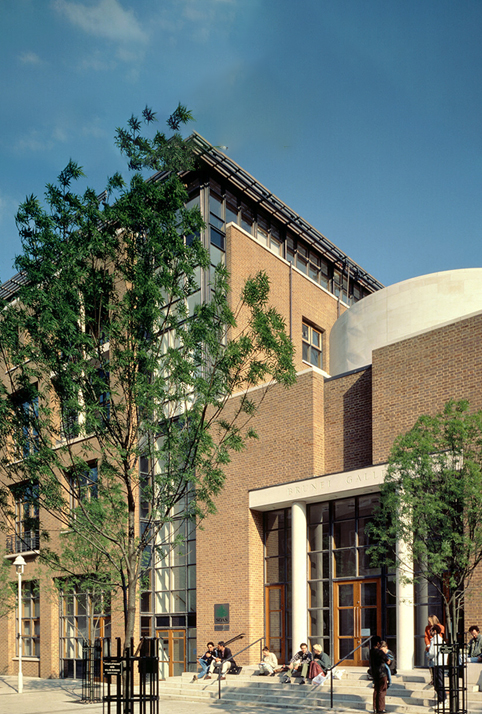
The Brunei Gallery at SOAS—a space that constantly expands my perspective. It’s a place where history, politics, and art collide, where exhibitions don’t just sit there but ask questions.
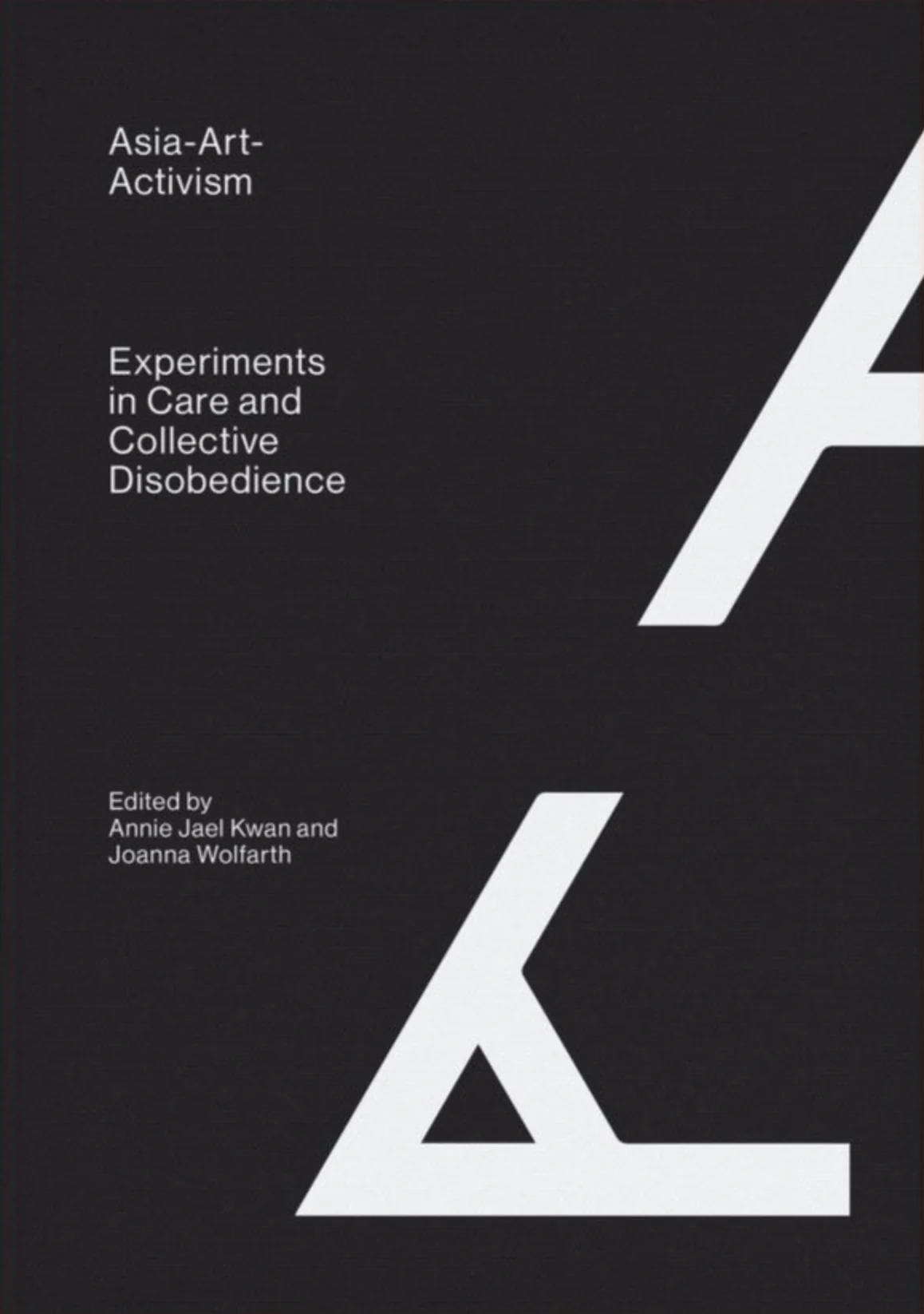
Asia Art Activism—more than just a platform, it’s a living, breathing conversation. An interdisciplinary network of artists, curators, and academics, bringing together ideas that feel urgent, necessary. The exhibitions, the talks—these are the kinds of spaces where things shift, where art isn’t just for looking but for thinking, for reimagining.
Each of these places, in their own way, remind me that learning isn’t just about taking in information—it’s about being present, about noticing, about paying attention.
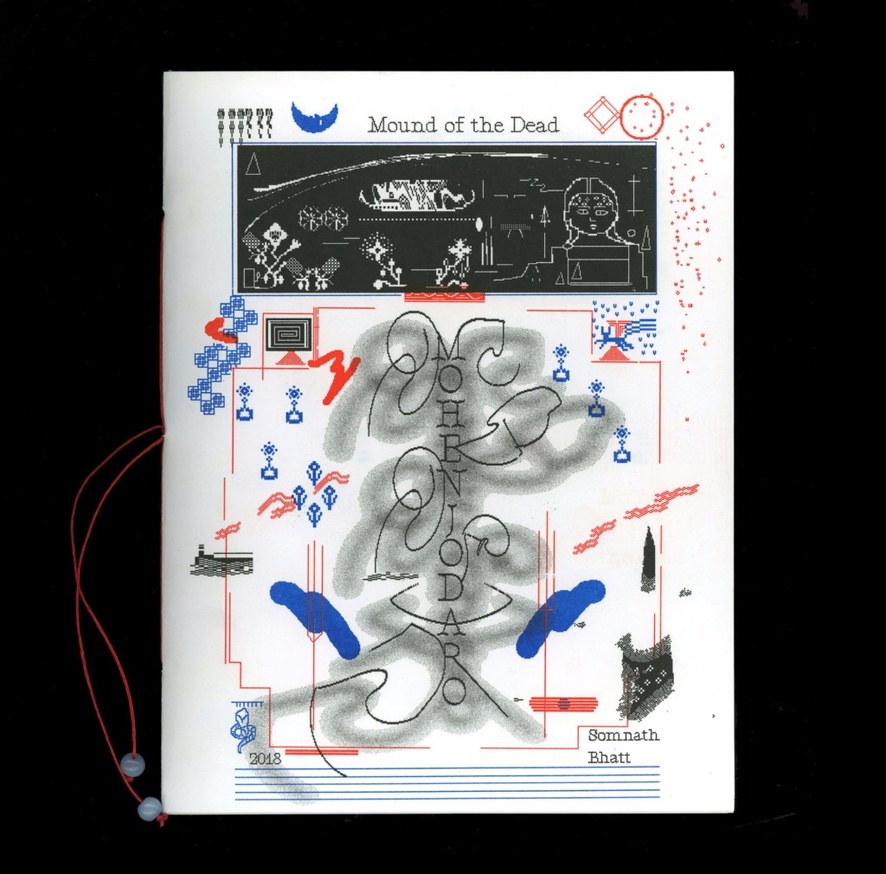
Somnath Bhatt (aka m0henjodaro)—his work is like a dreamscape of glitchy glyphs, caught somewhere between the ancient and the digital. It reminds me of pixel art from my childhood, but also something much older, something buried and unearthed.
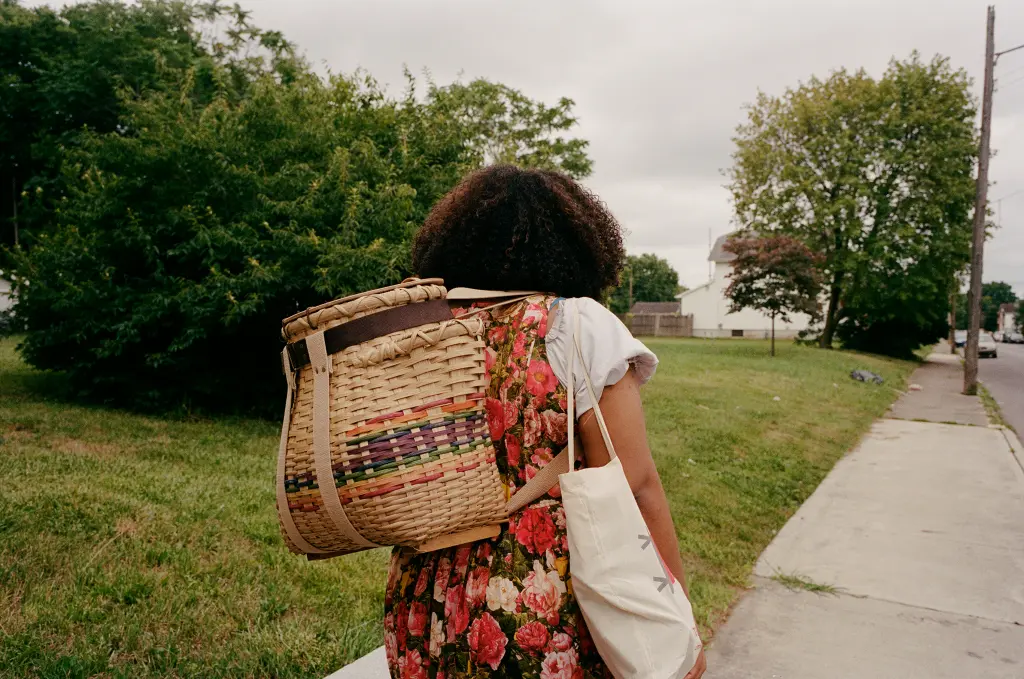
Alexis Nikole (aka The Black Forager)—an absolute delight. She got me into city (and country) foraging, into seeing the overlooked as something valuable. Her joy in discovery is infectious, and the way she turns wild ingredients into meals feels like alchemy.
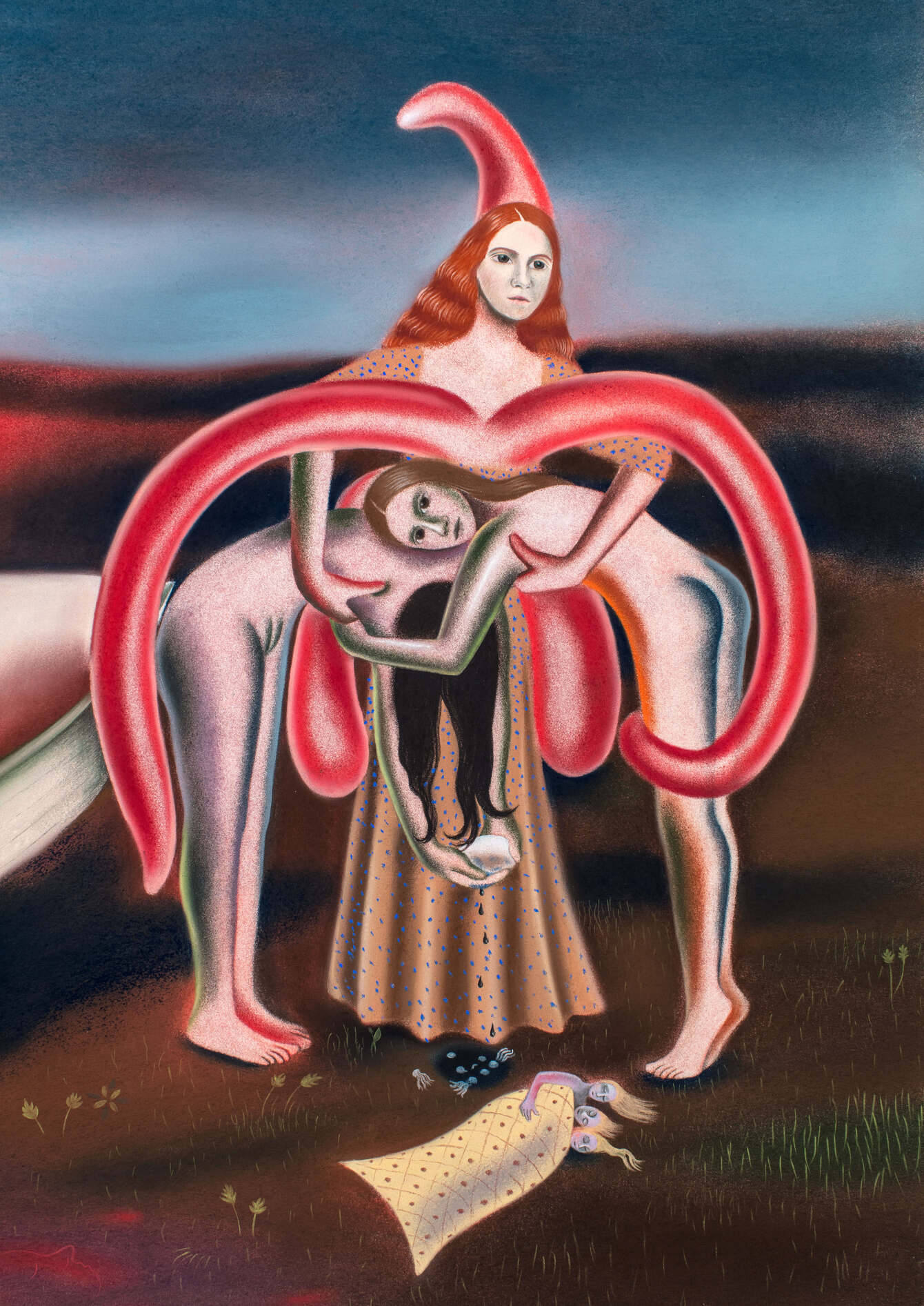
Sara Anstis—her paintings are surreal, intimate, and swirling with delicious colors. There’s something soft and strange about them, like stepping into a hazy, otherworldly memory.

Lately, I’ve been playing Equator Song by Nyokabi Kariuki on loop. It’s this deeply layered, breathy piece that feels like floating—like you’re suspended in memory, or water, or maybe both. I return to it when I need softness or space to think.
Long Live The Sahrawi Army by El Wali is the complete opposite in energy, and I love that contrast. There’s so much history and resistance in the track—it’s defiant, pulsing, and alive. I don’t understand every word, but I feel its urgency.
And then Dandelions by Nayiem—It’s gentle, grounding, a little melancholic but comforting. Like being spoken to in a language you almost forgot you knew.
All three speak to something emotional and physical in me—body music and head music—and I like existing in that in-between. Mood-dependent, but always on rotation.
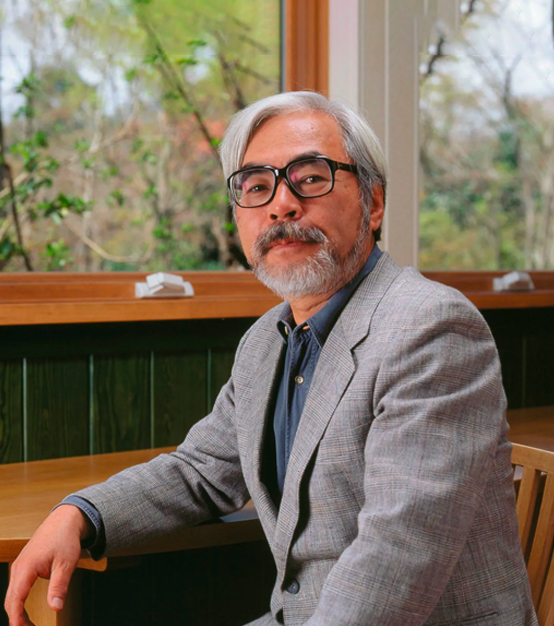
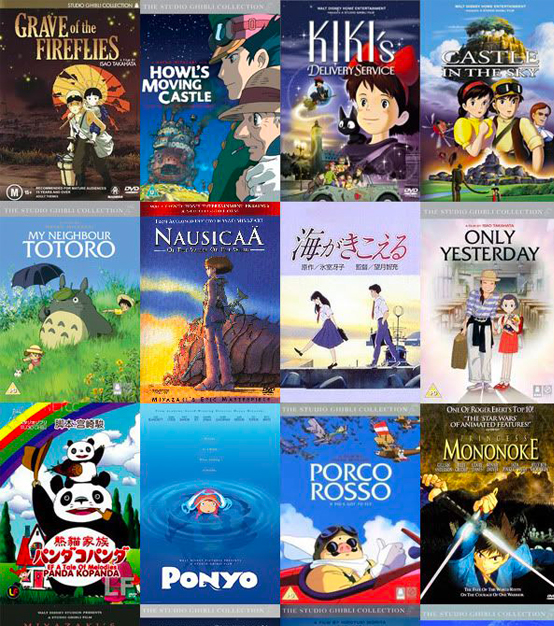
Hayao Miyazaki. For all the obvious reasons. His work is its own universe—lush, intricate, deeply human. He doesn’t just tell stories; he builds worlds you can step into, filled with details that feel alive. The way he captures movement, quiet moments, the feeling of wind through grass—it’s magic, but it’s also just deep observation. If I could sit with him, I wouldn’t even know where to start. I’d want to understand how he sees, how he distills the complexity of life into something so visual, so tangible. How he creates characters who feel like old friends, and places that linger in your mind long after the credits roll. Mostly, I’d want to listen—to hear the thoughts behind the worlds, the philosophies beneath the animation. To glean even the smallest piece of the genius it takes to world-build on his scale something so immersive, so timeless, so full of soul.

I am a writer, not a speaker. Words come easier on the page than out loud. I believe food should never be wasted just because of an arbitrary date on the packaging. I will preach this point endlessly. Expiry dates are a guideline, not a law, and throwing away perfectly good food feels like a small tragedy. I am happiest alone in nature, in the sun, with a snack. There’s something about those quiet, unstructured moments—no expectations, no distractions, just being. Maybe it’s the simplicity of it, or the way the world feels bigger and softer at the same time. I’m lucky to have had a childhood full of these moments. They shaped how I move through the world, how I find joy in solitude, how I don’t need much to feel full. Some habits fade, but this one has stayed—seeking out small pockets of sun, stillness, and something good to eat.